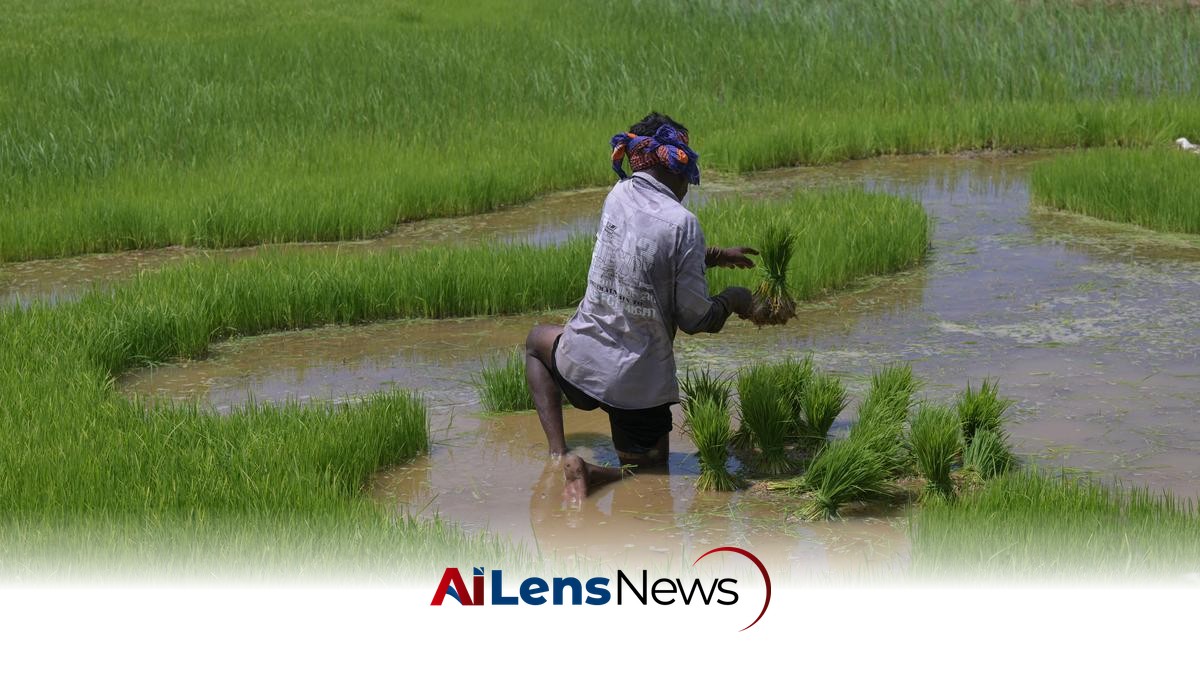


Explore how El Niño threatens India's economy through reduced agricultural output, rising inflation, and decreased rural income.
New Delhi, India Jul 4, 2026 ALN: El Niño is a climate phenomenon characterized by the warming of ocean surface temperatures in the central and eastern Pacific Ocean. This phenomenon can have far-reaching effects on weather patterns around the globe, influencing climate conditions in various regions, including India. The implications of El Niño are particularly significant for countries like India, where the monsoon season is critical for agriculture. The majority of farmers in India rely on monsoon rains to irrigate their fields, making the onset and intensity of the monsoon vital for agricultural productivity, economic stability, and food security.
In the context of these dependencies, the recent forecast by the India Meteorological Department (IMD) regarding below-normal rainfall has raised serious concerns about the potential impact of El Niño on India's economy. The IMD reported a staggering 40% deficit in rainfall during the first month of this year’s monsoon season, which has raised alarms among agricultural experts and policymakers alike. This deficit is compounded by projections for July, indicating that rainfall will likely remain below normal levels, with estimates predicting less than 94% of the usual precipitation for that month. Such trends can have dire consequences for various sectors, particularly agriculture, which is a cornerstone of the Indian economy.
According to the IMD, the implications of below-normal rainfall extend beyond just agricultural productivity. The department has warned that a lack of adequate rainfall could pose significant challenges for water resources, hydropower generation, ecosystem sustainability, and drinking water availability. This multifaceted impact underscores the interconnectedness of the climate system and the economy, as water scarcity can lead to increased competition for resources, higher costs for water supply, and potential conflicts over water use. The implications of these factors could be felt across urban and rural areas, affecting livelihoods and quality of life.
In June, the IMD recorded rainfall at 99.5 mm, a stark contrast to the long-period average of 165.3 mm, marking a decline of 39.8% from what is considered normal across all four meteorological subdivisions in India. This underperformance in rainfall is particularly concerning given that the Kharif cropping season, which typically begins with the onset of the monsoon, is heavily reliant on adequate rainfall. Crops such as rice, maize, and pulses are primarily sown during this period, and any disruption in rainfall can significantly affect yields. The Kharif season accounts for a major portion of India’s agricultural output, and a poor monsoon can lead to reduced crop yields, increased food prices, and heightened food insecurity in the country.
Union Agriculture Minister Shivraj Singh Chouhan recently highlighted the potential repercussions of a 'super' El Niño event, which could exacerbate the already precarious situation for farmers, especially in rainfed regions where agriculture is heavily dependent on monsoon rains. His warning reflects a growing consensus among agricultural experts that the current weather patterns could lead to reduced crop yields, increased food prices, and heightened food insecurity in the country. The government’s concern is not unfounded; the socio-economic ramifications of a poor monsoon can ripple through the economy, affecting various sectors beyond agriculture.
The implications of a poor monsoon stretch beyond the agricultural sector, as they can have a cascading effect on the overall economy. Agriculture in India employs nearly half of the country's workforce and contributes significantly to the Gross Domestic Product (GDP). A decline in agricultural output can lead to increased unemployment in rural areas, reduced income for farmers, and a rise in poverty levels. These economic challenges can, in turn, affect consumer spending, leading to slower economic growth. The rural economy, which is often dependent on agricultural income, could face severe repercussions, resulting in diminished purchasing power and a potential increase in rural-to-urban migration as individuals seek alternative livelihood opportunities.
Moreover, the impact of El Niño on India’s economy is not limited to agriculture alone. The hydropower sector, which relies on consistent rainfall for water flow in reservoirs, could face challenges in electricity generation. This could lead to energy shortages and increased reliance on fossil fuels, further exacerbating environmental concerns. The implications for drinking water availability could also pose significant public health risks, particularly in regions already facing water scarcity. As water resources dwindle, the competition for available water could intensify, leading to conflicts among various sectors, including agriculture, domestic use, and industry.
Historically, El Niño events have been linked to severe droughts in India, with the 2015 El Niño being a notable example that resulted in significant agricultural losses and economic repercussions. The 2015 event led to a 15% decline in the production of key crops and caused a spike in food prices, leading to social unrest in some regions. The current forecasts suggest that India may be on a similar trajectory, with the potential for widespread agricultural distress and economic instability. The historical context of El Niño’s impact on India serves as a cautionary tale, emphasizing the need for preparedness and resilience in the face of climate variability.
In light of these challenges, the Indian government and relevant stakeholders must take proactive measures to mitigate the impact of El Niño. This could include implementing water conservation practices, investing in irrigation infrastructure, and promoting climate-resilient agricultural practices. These strategies could help farmers adapt to changing weather patterns and reduce their vulnerability to climate shocks. Additionally, providing financial support and insurance to farmers could help cushion the economic blow of poor monsoon seasons, enabling them to recover more effectively from crop losses.
Furthermore, enhancing research and development in agricultural technology can lead to the development of drought-resistant crop varieties and improved farming techniques that can withstand erratic weather patterns. By adopting a multi-faceted approach that encompasses both immediate relief measures and long-term strategies, India can better prepare for the uncertainties posed by climate change and phenomena such as El Niño. The integration of technology in agriculture, such as precision farming and smart irrigation systems, could also play a crucial role in optimizing resource use and improving productivity.
In conclusion, the potential impact of El Niño on India’s economy is profound, with far-reaching consequences for agriculture, water resources, and overall economic stability. As the country braces for a challenging monsoon season, it is imperative that stakeholders at all levels work collaboratively to address the challenges posed by climate variability and ensure the resilience of India’s agricultural sector and economy. The need for a comprehensive approach that includes policy interventions, community engagement, and investment in sustainable practices has never been more critical as India navigates the complexities of climate change and its economic implications.
To learn more about the latest developments in Corporate & Industry Insights, stay updated with our exclusive reports and analyses on AiLensNews.

