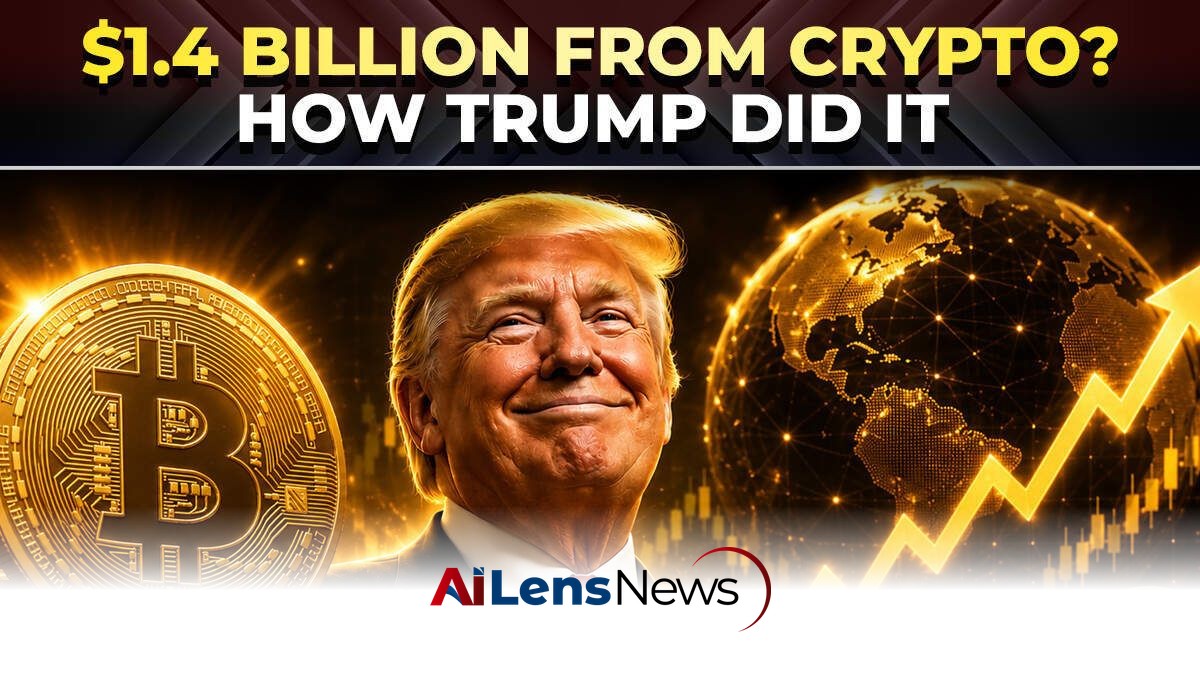


Donald Trump has disclosed that he earned more than $1.4 billion from cryptocurrency in just one year, making crypto one of his largest reported sources of income. The revelation comes from a 927-page financial disclosure, sparking fresh debate in Washington over politics, digital assets, and presidential finances.
New Delhi, India Jul 4, 2026 ALN: Donald Trump has disclosed that he earned more than $1.4 billion from cryptocurrency in just one year, making crypto one of his largest reported sources of income. This significant revelation comes from a 927-page financial disclosure, which has sparked fresh debate in Washington over the intersection of politics, digital assets, and presidential finances.
The financial disclosure was made public recently, revealing Trump's substantial earnings from various cryptocurrency investments. This disclosure is particularly notable given the ongoing discussions about the regulation of digital assets and their implications for the economy. Cryptocurrency has rapidly evolved over the past decade, transitioning from a niche investment to a mainstream financial instrument. With Bitcoin, Ethereum, and a plethora of altcoins gaining popularity, many investors, including high-profile figures, have entered the space, often with significant financial stakes.
Trump's financial dealings in cryptocurrency come at a time when the market is experiencing both volatility and growth. Cryptocurrencies are known for their price fluctuations, influenced by factors such as market sentiment, regulatory news, and technological advancements. The timing of Trump's investments, whether at a peak or trough, could significantly impact the reported earnings. Furthermore, the disclosure raises questions about the nature of his investments—whether they were direct purchases of cryptocurrencies, investments in blockchain technology companies, or involvement in initial coin offerings (ICOs), which have been both lucrative and controversial.
Cryptocurrency operates on decentralized networks based on blockchain technology, which allows for secure and transparent transactions without the need for intermediaries like banks. Bitcoin, the first and most well-known cryptocurrency, was created in 2009, and since then, thousands of alternative cryptocurrencies have emerged. The appeal of cryptocurrencies lies in their potential for high returns, coupled with the allure of technological innovation and financial autonomy. However, these digital assets also pose risks, including market volatility, regulatory uncertainty, and the potential for fraud.
The recent surge in interest in cryptocurrencies has led to increased scrutiny from regulators worldwide. Governments are grappling with how to effectively regulate this rapidly evolving sector while balancing the need for innovation with consumer protection. In the United States, the Securities and Exchange Commission (SEC) has been particularly active in enforcing regulations around ICOs and cryptocurrency exchanges, citing concerns about investor protection and market integrity.
Trump's earnings from cryptocurrency have ignited discussions among lawmakers and political analysts regarding the influence of digital currencies in the political sphere. As cryptocurrencies gain traction, their role in political financing and campaign contributions is becoming a focal point of concern. The potential for cryptocurrencies to be used in campaign contributions raises questions about transparency and accountability. Unlike traditional financial systems, cryptocurrencies can provide a level of anonymity that complicates tracking the sources of political donations.
Some lawmakers are advocating for stricter regulations on cryptocurrency to ensure that political contributions are transparent and traceable. The emergence of digital currencies as a substantial financial asset class means that politicians may be more inclined to engage with the crypto sector, either as investors or as advocates for regulatory frameworks that favor its growth. This intersection of finance and politics could lead to significant shifts in how campaigns are funded and how political messaging is shaped, particularly as younger, tech-savvy voters become more engaged in the electoral process.
The announcement has drawn mixed reactions from the public and political commentators. Supporters of Trump view this as a testament to his business acumen, highlighting his ability to capitalize on emerging financial trends. They argue that his success in the cryptocurrency market reflects a savvy understanding of market dynamics and investment strategies. For his supporters, this revelation may enhance his image as a businessman who can navigate complex financial landscapes.
Conversely, critics raise questions about the transparency and ethics of such earnings, especially in light of his previous administration's stance on cryptocurrency. During his presidency, Trump expressed skepticism about cryptocurrencies, famously stating that he was not a fan of Bitcoin, citing concerns over its potential to facilitate illicit activities and undermine the U.S. dollar. This apparent contradiction between his public statements and private investments has led to allegations of hypocrisy and a lack of integrity.
This revelation may set a precedent for future disclosures by political figures regarding their financial interests in cryptocurrency. As digital assets continue to evolve, their integration into the political landscape will likely become more pronounced. Other politicians may feel compelled to disclose their cryptocurrency holdings or investments, leading to a more transparent political environment regarding financial interests.
Moreover, the growing interest in cryptocurrency among the public could influence political platforms and policies. Candidates may start to advocate for more favorable regulations regarding digital currencies, appealing to a base that is increasingly investing in or using cryptocurrencies. This trend could lead to a shift in political priorities, with some candidates positioning themselves as champions of technological innovation and financial freedom.
The regulatory landscape surrounding cryptocurrencies is still developing. In recent years, various government agencies have begun to establish guidelines and frameworks to govern the use of digital assets. The Financial Crimes Enforcement Network (FinCEN) has issued regulations aimed at preventing money laundering and other illicit activities associated with cryptocurrencies. Additionally, the Internal Revenue Service (IRS) has clarified tax obligations related to cryptocurrency transactions, requiring individuals to report gains and losses from their investments.
As the market matures, it is anticipated that more comprehensive regulations will be implemented. This could include measures to protect investors, ensure market integrity, and promote responsible innovation. The challenge for regulators is to strike a balance between fostering innovation and protecting consumers while avoiding stifling the growth of this burgeoning sector.
Trump's $1.4 billion earnings from cryptocurrency not only highlight his financial dealings but also underscore the growing importance of digital assets in contemporary politics. As discussions around regulation and ethical considerations continue, the implications of such earnings will be closely monitored by both supporters and critics alike. The intersection of cryptocurrency and politics presents a complex landscape that will require careful navigation by current and future political leaders.
In summary, Trump's financial disclosure serves as a significant indicator of the changing dynamics in the political and financial realms. As cryptocurrencies continue to gain acceptance and legitimacy, their influence on political discourse and campaign financing will likely expand, prompting ongoing debates about regulation, ethics, and transparency in the political process.
To learn more about the latest developments in Cryptocurrency, stay updated with our exclusive reports and analyses on AiLensNews.

