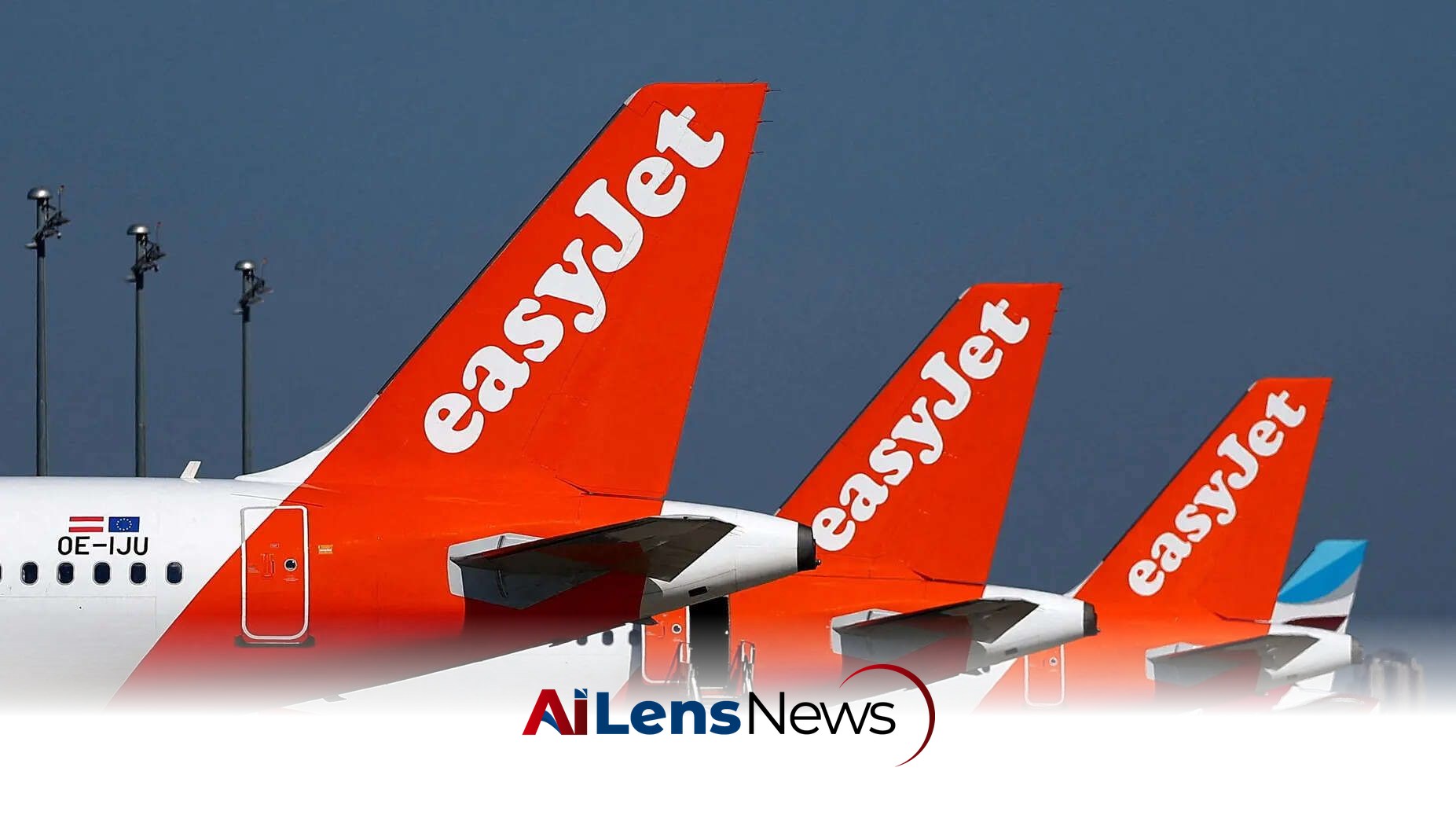


EasyJet shares surged after agreeing in principle to a £5.5 billion takeover by Castlelake, though concerns over EU ownership rules and deal structure persist.
New Delhi, India Jul 6, 2026 ALN: LONDON - Shares in EasyJet hit four-year highs on Monday after the British budget airline agreed in principle to a £5.5 billion ($7.34 billion) takeover from U.S. investor Castlelake. However, caution over regulatory hurdles capped market gains.
EasyJet announced on Sunday that it was open to Castlelake's sweetened bid of £6.90 per share, a significant increase from the U.S. firm's initial offer of £5.60. This suggests that protracted negotiations could finally lead to the London-listed carrier being taken private, a significant shift for a company that has long been a staple of the European airline market.
Despite the positive news, investor skepticism remains evident. EasyJet shares held at £6.14, up more than 9%, but still below the bid price. Concerns focus on European ownership rules that require airlines operating in the bloc to be majority EU-owned. This regulatory framework is designed to ensure that airlines remain under the control of EU nationals, thereby safeguarding strategic interests in the transportation sector.
Nick Longhurst, portfolio manager for Europe at Marathon Asset Management, commented, "It's a difficult situation," noting that while the board would have considered the EU requirements, questions regarding funding and control linger. The implications of these regulations are particularly significant in the context of a potential takeover, as they could complicate the acquisition process and affect the strategic direction of EasyJet.
He added, "This is an airline which operates under both UK and European rules and thus has to be majority owned and controlled by EU entities/individuals, which the bidder Castlelake is not." This statement underscores the complexities facing foreign investors seeking to acquire European airlines, especially in the wake of Brexit, which has altered the regulatory landscape significantly.
The deal highlights the challenges faced by airlines in Europe, particularly in light of recent crises such as Russia's invasion of Ukraine, the COVID-19 pandemic, and ongoing geopolitical tensions. These factors have put some carriers in the crosshairs of investors seeking takeover opportunities, as struggling airlines become attractive targets for consolidation. The airline industry has been under immense pressure, with many carriers grappling with soaring jet fuel prices and losses linked to geopolitical conflicts.
Analysts predict further consolidation and potential bankruptcies as a result of this uncertainty. The COVID-19 pandemic has already led to significant changes in the industry, with many airlines forced to rethink their business models and operational strategies in order to survive and thrive in a post-pandemic world.
Initially, EasyJet described Castlelake's proposals as "highly opportunistic" given the broader global context. However, the stock has gained over 50% since Castlelake's interest became public in late May, reflecting a growing belief among investors that a deal could ultimately be reached.
The bid made public by EasyJet on Sunday was Castlelake's fifth offer for the airline, representing a nearly 24% premium to EasyJet's closing price on Friday. It is close to the £7 price some investors were reportedly holding out for after Castlelake's previous proposals were rejected. This indicates a willingness on Castlelake's part to negotiate and potentially meet investor expectations in order to secure the acquisition.
Airline analyst John Strickland noted that the share price reflects the challenges all airlines face with "higher fuel prices and uncertainty in the context of the Iran war." He did not foresee antitrust issues but emphasized the complexity of EU ownership rules that require airlines operating in the bloc to be majority-owned and controlled by EU nationals. This regulatory requirement has historically been a barrier for non-EU entities looking to invest in European airlines, and it remains a critical factor in the current negotiations.
He stated, "The EU ownership and control elements are complex, and it is not yet fully clear how this will be addressed." A shareholder who preferred to remain anonymous indicated that current share price levels suggest the market is pricing in a more than 30% probability of the deal falling through. This sentiment reflects broader investor caution and the recognition that regulatory hurdles could derail the transaction.
JPMorgan analysts also expressed concerns regarding how Castlelake, an aviation-focused lender, and EasyJet would navigate EU ownership regulations and agree on a deal structure. The views of founder and major shareholder Stelios Haji-Ioannou remain unclear, adding another layer of uncertainty to the proceedings.
EasyJet mentioned that Castlelake had committed to a "best endeavours" approach to obtain regulatory clearances. Haji-Ioannou declined to comment on Monday, leaving many investors wondering about his position on the deal and its potential implications for the airline's future.
Castlelake has previously stated it would own 49% of the bidding vehicle, with the remainder held by two EU nationals, former EasyJet chief operating officer Peter Bellew, and senior industry executive Mark Breen. This structure is intended to satisfy EU regulations, but its effectiveness remains to be seen.
JPMorgan also cautioned that shareholder approval is not guaranteed, and the possibility of a counter-bid or other carriers seeking to acquire parts of EasyJet remains open. This competitive landscape could further complicate the negotiations and potentially drive up the bid price, as other investors may see value in EasyJet's assets.
Chris Beauchamp, chief market analyst at trading platform IG, remarked, "While a decent premium to the lacklustre trading of recent years, it still represents a deep discount to the share price of the late 2010s." This observation reflects the broader challenges facing EasyJet and the airline industry as a whole, as many carriers have struggled to return to pre-pandemic levels of profitability.
He added, "It's a sign of how in need EasyJet is for someone to take the controls and plot a more successful flight path." The airline operates routes in 38 European countries, with a fleet of 355 aircraft across more than 1,200 routes. EasyJet has struggled to recover since the COVID-19 pandemic, although its package holidays business and efficient Airbus fleet are considered bright spots in its portfolio.
Castlelake must formalize its offer by August 3 or withdraw under British takeover rules. The potential take-private deal also includes a partial equity alternative, which could provide additional flexibility for investors and stakeholders involved in the negotiations.
Aviation analyst James Halstead suggested that the offer appears to be a "fair price" if EasyJet meets medium-term profit targets, indicating that Castlelake could help enhance the airline's performance. This potential for improvement is essential, as EasyJet seeks to navigate the challenges of a rapidly changing aviation landscape.
He concluded, "Nothing is certain, but I would think there is a high possibility that it will go ahead." This sentiment reflects a cautious optimism among some analysts, who believe that despite the regulatory hurdles and market uncertainties, a successful acquisition could ultimately benefit both EasyJet and Castlelake in the long run.
To learn more about the latest developments in Corporate & Industry Insights, stay updated with our exclusive reports and analyses on AiLensNews.

