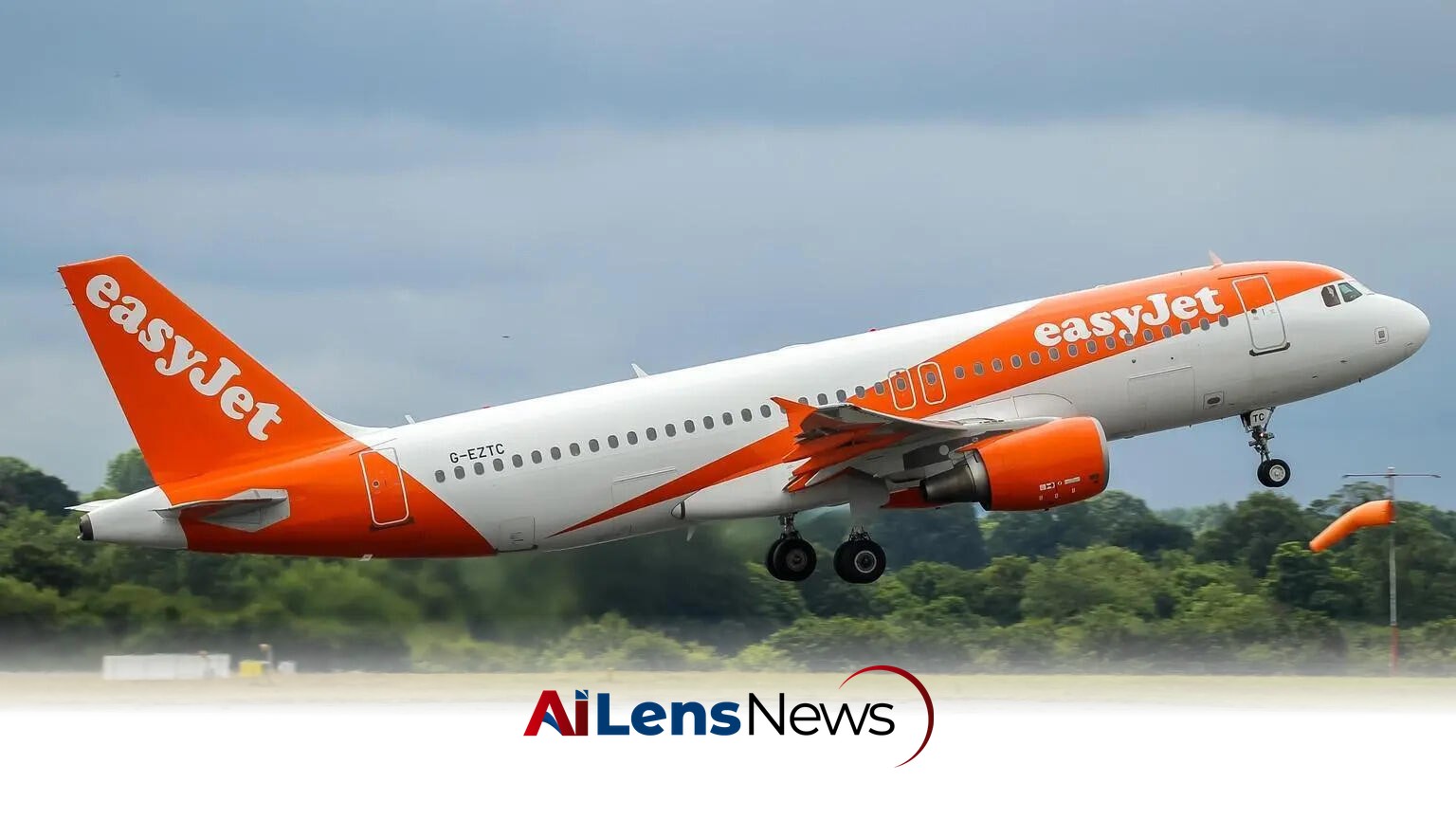


EasyJet shares surged nearly 10% following an agreement in principle for a potential $7.3 billion acquisition by Castlelake, with a revised bid offering a 24% premium.
New Delhi, India Jul 6, 2026 ALN: Shares of EasyJet, the well-known low-cost airline based in Luton, England, experienced a significant rally of nearly 10% on Monday, following news of a potential acquisition by the US-based investment firm Castlelake. This acquisition is valued at approximately $7.3 billion, a figure that has captured the attention of investors and industry analysts alike.
According to a report by Reuters, EasyJet announced on Sunday that it was prepared to accept Castlelake’s revised bid of £6.90 per share. This marked a notable conclusion to negotiations that have been ongoing for about a month. Should the acquisition proceed, it could potentially reshape the aviation landscape in Europe, especially in the context of the ongoing recovery from the COVID-19 pandemic, which had a profound impact on the airline industry.
The proposed bid of £6.90 per share represents a nearly 24% premium compared to EasyJet's share price at the close of trading on the previous Friday. As of 08:10 GMT on Monday, EasyJet shares were trading at £6.12, reflecting a 9.75% increase. This surge in share price indicates a positive market reaction to the news of the acquisition, with investors showing optimism about the potential benefits of the deal.
However, it is important to note that the deal with Castlelake has not been finalized. As indicated in EasyJet's statement, the investment firm must secure the necessary approvals and regulatory clearances before the acquisition can proceed. This adds a layer of complexity to the transaction, as regulatory scrutiny is a common aspect of large mergers and acquisitions, particularly in the aviation sector.
Under British takeover rules, Castlelake is required to formalize its offer to EasyJet by August 3, 2026, or else it must withdraw from the bidding process. This timeline adds urgency to the negotiations, as both parties work to reach a definitive agreement that satisfies all stakeholders involved.
The backdrop to this potential acquisition is a challenging environment for airlines, exacerbated by sharply rising fuel prices linked to geopolitical tensions, particularly the ongoing US-Iran conflict. The aviation industry is still grappling with the aftereffects of the pandemic, which saw travel demand plummet and airlines face unprecedented financial pressures. Analysts from JPMorgan, cited in the Reuters report, have expressed concerns regarding how Castlelake and EasyJet's board of directors would navigate European Union ownership regulations. These regulations stipulate that airlines operating within the EU must be majority owned and controlled by EU nationals.
Castlelake has previously indicated that it would hold a 49% stake in the bidding vehicle, while the remaining 51% would be owned by former EasyJet COO Peter Bellew and senior industry executive Mark Breen, both of whom are EU nationals. This structure aims to address the EU's ownership requirements, yet it raises questions about the operational control and strategic direction of EasyJet under this new ownership model.
Moreover, the potential for a counter-bid remains a possibility. While the agreed proposal price of $7.3 billion aligns closely with investor feedback, analysts have cautioned that approval from EasyJet's shareholders is not guaranteed. The dynamics of shareholder approval can be unpredictable, especially in an environment where multiple parties may have interests in the airline's future.
Historically, EasyJet has demonstrated a cautious approach to acquisitions and mergers. The airline previously rejected four escalating bids from Castlelake, which started at £5.60 and increased to £6.50. EasyJet characterized these earlier offers as opportunistic, suggesting that Castlelake was attempting to acquire the airline at undervalued prices. This history of negotiations reflects the complexities and strategic considerations that both parties must navigate as they seek to finalize a deal.
The implications of this potential acquisition extend beyond EasyJet and Castlelake. If the deal goes through, it could signal a shift in the competitive landscape of European aviation, particularly as airlines continue to adapt to the post-pandemic recovery phase. The consolidation of airlines through acquisitions can lead to fewer competitors in the market, which may ultimately impact pricing strategies, service offerings, and consumer choices.
Furthermore, the acquisition could also have broader implications, particularly for the UK aviation sector. EasyJet is one of the largest low-cost carriers in Europe, and its operations significantly contribute to the UK economy. Changes in ownership could influence employment levels, operational strategies, and the airline's ability to compete on a global scale.
As the negotiations between EasyJet and Castlelake continue, stakeholders will be closely monitoring developments. The outcome of this potential acquisition will not only affect the companies involved but also the wider aviation industry and the regulatory landscape governing airline ownership and operations within the European Union.
The context surrounding this acquisition also highlights the broader trends within the airline industry, where consolidation has become increasingly common in response to pressures and shifting consumer behaviors. The COVID-19 pandemic has accelerated many of these trends, forcing airlines to rethink their business models and strategies for growth. EasyJet, known for its budget-friendly fares and extensive network across Europe, has had to navigate these challenges while maintaining its competitive edge.
In addition to the financial implications of the acquisition, there are also operational considerations that could arise. The integration of two distinct corporate cultures—EasyJet's established brand and operational practices and Castlelake's investment-driven approach—could pose challenges. Successful mergers often depend on the ability to harmonize these cultures and create a unified vision for the future of the airline.
Furthermore, the acquisition could also impact EasyJet's existing partnerships and alliances within the airline industry. As a low-cost carrier, EasyJet has built a network of partnerships with other airlines and travel companies to enhance its service offerings. Changes in ownership could lead to a reevaluation of these partnerships, potentially altering the competitive dynamics within the industry.
Another aspect to consider is the regulatory environment in which EasyJet operates. The airline industry is subject to stringent regulations aimed at ensuring safety, security, and fair competition. Any potential acquisition will be scrutinized by regulatory bodies to ensure compliance with these regulations, which could delay the process or require modifications to the proposed deal structure.
In conclusion, while the news of Castlelake's potential acquisition of EasyJet has generated excitement among investors and industry watchers, the complexities and uncertainties surrounding the deal cannot be overlooked. The next steps in the negotiation process will be critical, as both parties work to navigate the regulatory landscape, secure shareholder approval, and address operational challenges that may arise from the acquisition. The outcome of this deal will have significant implications not only for EasyJet and Castlelake but also for the broader aviation industry and the future of low-cost travel in Europe.
To learn more about the latest developments in Corporate & Industry Insights, stay updated with our exclusive reports and analyses on AiLensNews.

