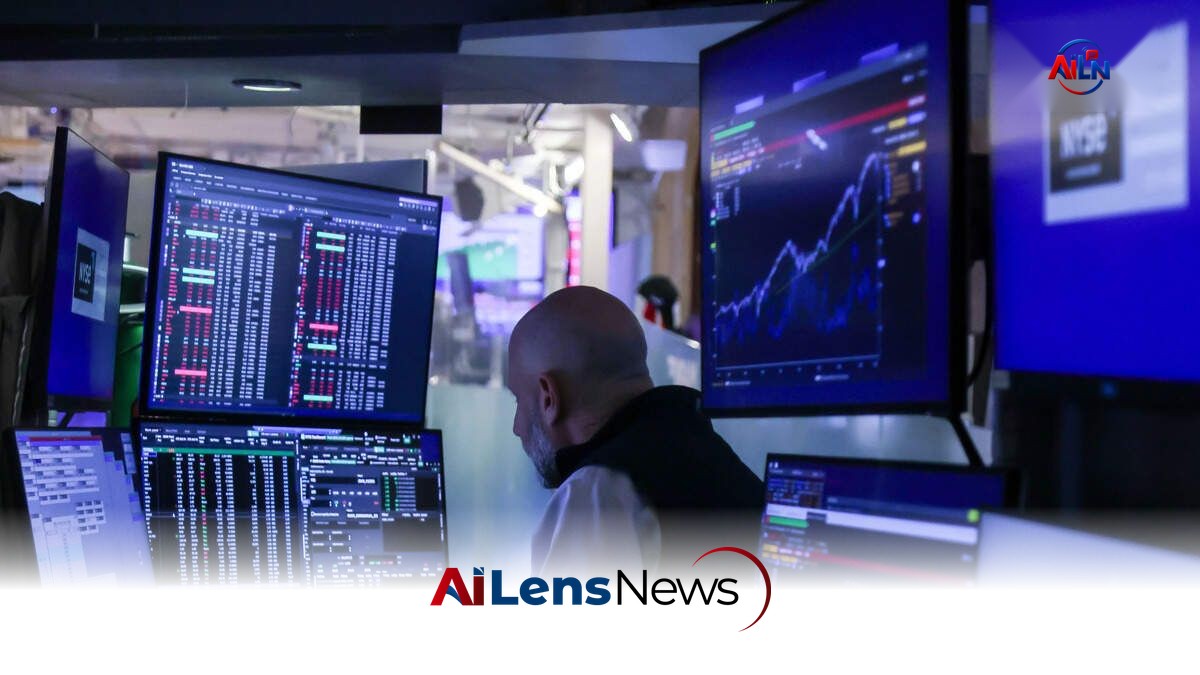


U.S. stock futures showed mixed signals as investors prepared for SK Hynix's Nasdaq debut while keeping an eye on Middle East tensions. Chip stocks faced challenges, but Delta Air Lines and crypto-linked stocks saw gains.
New Delhi, India Jul 10, 2026 ALN: As the U.S. stock market gears up for the day, futures are presenting a mixed picture. Investors are particularly focused on the upcoming Nasdaq listing of SK Hynix, a significant player in the semiconductor industry. This debut is expected to draw considerable attention, especially given the current dynamics in the tech sector. The semiconductor industry has been a cornerstone of technological advancement and growth, making the performance of companies like SK Hynix critical to both investors and the broader market.
In the lead-up to the market opening, the Dow Jones Industrial Average futures were slightly down, while the S&P 500 and Nasdaq futures showed a more optimistic outlook. The mixed performance reflects ongoing investor caution amid rising tensions in the Middle East, which could impact market stability. The geopolitical landscape often plays a significant role in market behavior, as investors weigh the risks associated with international conflicts against potential growth.
Chip stocks have been experiencing a downturn, with several major players facing challenges. Analysts attribute this weakness to a combination of factors, including supply chain disruptions and fluctuating demand. The semiconductor sector has been under scrutiny as companies navigate these complexities, making SK Hynix's entry into the market even more critical. The global semiconductor market has faced significant hurdles over the past few years, particularly due to the COVID-19 pandemic, which disrupted production and logistics. Additionally, trade tensions and restrictions on technology exports have further complicated the landscape for semiconductor manufacturers.
SK Hynix, headquartered in South Korea, is one of the largest memory chip manufacturers in the world, specializing in DRAM and NAND flash memory. Its listing on the Nasdaq is seen as a pivotal moment not only for the company but also for the semiconductor industry at large. Investors are keenly aware that the performance of SK Hynix could set the tone for other tech stocks and influence market sentiment regarding the semiconductor sector's recovery.
The semiconductor industry has been under intense pressure recently, with companies grappling with a myriad of challenges. Supply chain issues have been exacerbated by the pandemic, leading to significant delays and shortages in chip production. These disruptions have affected various sectors, from consumer electronics to automotive manufacturing, which rely heavily on semiconductor components. As a result, companies like SK Hynix are not only entering a competitive market but also one that is currently undergoing significant transformation.
Moreover, the geopolitical landscape surrounding semiconductor production has added another layer of complexity. Trade tensions between the U.S. and China, particularly regarding technology exports, have led to increased scrutiny and regulatory hurdles for companies operating in this space. This environment has heightened the stakes for SK Hynix as it seeks to establish its presence on the Nasdaq, a move that could be seen as a bellwether for the broader semiconductor industry.
In contrast to the chip sector, Delta Air Lines has reported upbeat guidance, leading to a surge in its stock price. The airline industry is gradually recovering from the impacts of the pandemic, and Delta's optimistic outlook is a positive sign for investors looking for growth opportunities. The rebound in air travel demand, driven by increased consumer confidence and easing travel restrictions, has provided a much-needed boost to the airline sector. Delta's performance reflects broader trends in the travel industry, where companies are adapting to new norms and consumer behaviors post-pandemic.
Delta's positive guidance is particularly noteworthy as it comes amid ongoing challenges such as rising fuel costs and labor shortages. The airline has implemented various strategies to mitigate these risks, including optimizing routes and investing in customer experience enhancements. As the airline industry continues to navigate these challenges, Delta's ability to maintain profitability and growth will be closely watched by investors.
The recovery of the airline industry is part of a larger trend as travel begins to normalize following the disruptions caused by the pandemic. Many airlines are reporting increased bookings and improved revenues, signaling a potential return to pre-pandemic levels of travel activity. However, the industry remains cautious, as uncertainties surrounding new variants of the virus and fluctuations could impact future growth.
Meanwhile, stocks linked to cryptocurrencies have shown resilience, rising alongside Bitcoin's recent gains. The cryptocurrency market continues to attract attention from investors, and this trend is reflected in the performance of related stocks. As Bitcoin maintains its upward trajectory, many are optimistic about the potential for further growth in this sector. The increasing institutional adoption of cryptocurrencies and the development of regulatory frameworks are contributing to the market's maturation and may bolster investor confidence.
Despite the volatility that has characterized cryptocurrency, the recent price movements indicate a potential shift in sentiment. Investors are becoming more accustomed to the fluctuations inherent in crypto assets, and many see them as a hedge against inflation and a diversification tool within their portfolios. The rise of decentralized finance (DeFi) and non-fungible tokens (NFTs) has also expanded interest in cryptocurrency-related investments, further driving the performance of stocks in this space.
The cryptocurrency market has evolved significantly over the past few years, transitioning from a niche investment to a more mainstream asset class. This shift has been fueled by increased awareness and acceptance among institutional investors, who are beginning to allocate a portion of their portfolios to digital assets. As regulatory clarity improves and infrastructure develops, the potential for growth in the cryptocurrency sector remains high, attracting a diverse range of investors.
Looking ahead, investors will be closely monitoring the developments surrounding SK Hynix's listing and the geopolitical situation in the Middle East. These factors are likely to influence market sentiment and trading strategies in the coming days. The potential implications of SK Hynix's performance on the semiconductor sector could reverberate throughout the tech industry, affecting everything from supply chains to consumer electronics. Additionally, geopolitical tensions can lead to market volatility, prompting investors to reassess their risk exposure.
As always, staying informed and adaptable will be key for investors navigating this complex landscape. The interplay between domestic indicators, corporate earnings reports, and international events will continue to shape market dynamics. Investors are encouraged to maintain a diversified portfolio and keep abreast of developments in sectors they are invested in.
In summary, the U.S. stock market is poised for a day of mixed trading as various sectors react to both domestic and international factors. With key events on the horizon, market participants will need to remain vigilant. The performance of SK Hynix in its Nasdaq debut, the ongoing recovery of the airline industry, and the resilience of cryptocurrency stocks will all play significant roles in determining the market's direction. As the landscape evolves, investors will need to be proactive in their strategies to capitalize on opportunities and mitigate risks.
Furthermore, the implications of these market movements extend beyond immediate trading strategies. Investors must consider the long-term trends shaping the economy, including technological advancements, shifts in consumer behavior, and the evolving geopolitical landscape. As companies like SK Hynix enter the market, they not only impact their own valuations but also influence investor confidence in the broader tech sector, which is critical for sustained growth.
In conclusion, the mixed futures for the U.S. stock market signal a period of uncertainty and opportunity. Investors must remain agile, informed, and ready to adapt to the changing dynamics of the market. The coming days will be crucial in determining the trajectory of various sectors, especially as they respond to both internal and external pressures that could shape the financial landscape for months to come.
To learn more about the latest developments in Corporate & Industry Insights, stay updated with our exclusive reports and analyses on AiLensNews.

