

The Karnataka government plans to set up 2,000 public schools across the state, enhancing educational access through CSR funding.
New Delhi, India Jul 10, 2026 ALN: The D.K. Shivakumar-led Congress government in Karnataka has announced an ambitious plan to establish 2,000 new public schools throughout the state. Each school is designed to serve three gram panchayats, significantly enhancing educational access for rural communities. This initiative is a strategic response to the long-standing challenges faced by the education sector in Karnataka, particularly in rural areas where access to quality education has been limited.
In the initial phase, approximately 800 schools will be constructed, with an estimated investment of ₹10 crore to ₹15 crore for each institution. This financial commitment highlights the government's recognition of the need for substantial investment in educational infrastructure to meet the growing demands of the state's population. The decision to build new schools comes at a time when Karnataka is grappling with issues such as high dropout rates and a lack of adequate educational facilities, especially in underdeveloped regions.
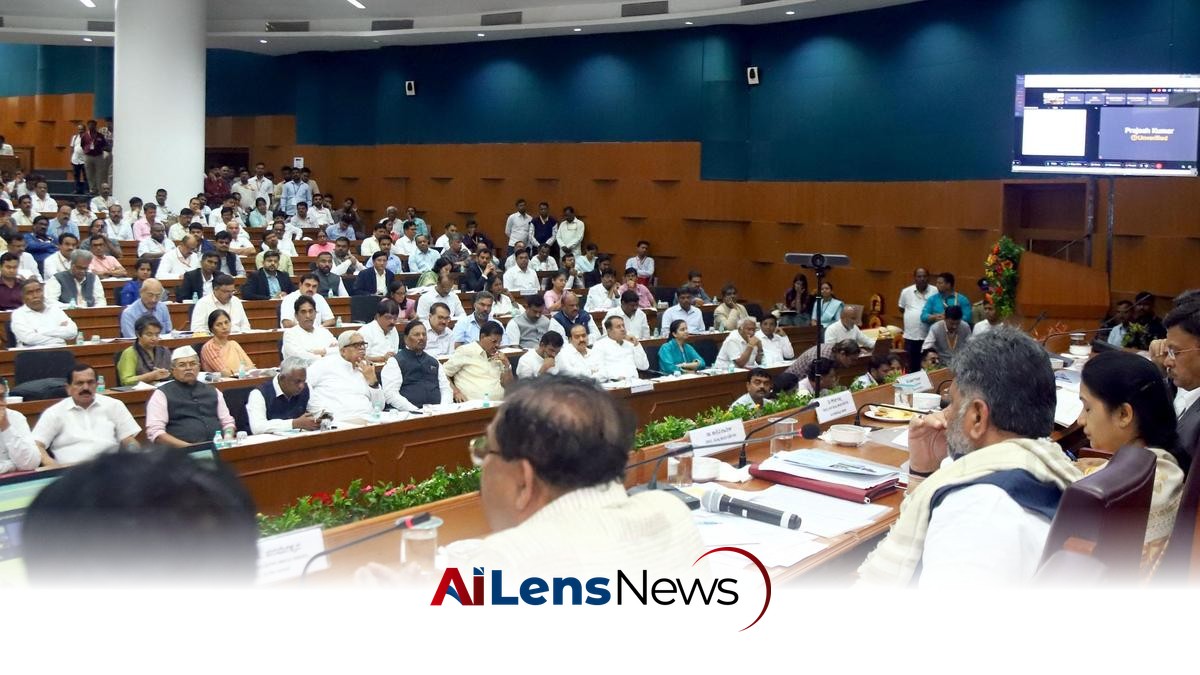
Chief Minister D.K. Shivakumar emphasized the importance of utilizing Corporate Social Responsibility (CSR) funds to finance the construction of these schools. During a review meeting held at the Suvarna Soudha in Belagavi, he instructed officials to explore various avenues for CSR funding to ensure the successful implementation of this project. The involvement of the corporate sector not only provides financial resources but also encourages a sense of community ownership and responsibility towards educational development.
The concept of CSR has gained prominence in India over the past decade, particularly after the Companies Act of 2013 mandated certain companies to allocate a percentage of their profits towards social causes. By tapping into CSR funds, the Karnataka government is seeking to bridge the funding gap that often hinders the establishment of educational institutions in rural areas. This approach also aligns with the broader governmental goal of creating a well-rounded educational ecosystem that is supported by various stakeholders, including private enterprises.
“The State government will encourage large educational institutions in all districts to adopt at least three government schools. Our objective is to provide quality education to all,” stated Chief Minister Shivakumar. This collaborative approach aims to foster partnerships between the government and private educational entities, thereby enhancing the infrastructure and technical amenities available in public schools. Such partnerships can lead to improved teacher training, better learning materials, and access to advanced technology, which are crucial for creating a conducive learning environment.
This initiative not only reflects the government’s commitment to improving educational standards but also aims to create a more equitable learning environment for students across Karnataka. The emphasis on serving multiple gram panchayats with each school is particularly noteworthy, as it recognizes the interconnectedness of rural communities and the importance of collective access to educational resources. By leveraging CSR funding and encouraging community involvement, the government seeks to build a robust educational framework that can cater to the diverse needs of its population.
Furthermore, the establishment of new public schools is expected to generate employment opportunities within the local communities. The recruitment of teachers, administrative staff, and support personnel for these schools will contribute to economic development in the regions where they are located. This dual focus on education and employment underscores the government's holistic approach to rural development, which seeks to uplift communities through improved educational outcomes and economic opportunities.
As the project progresses, the government will continue to monitor and evaluate the impact of these new schools on local communities, ensuring that the objectives of quality education and accessibility are met effectively. Regular assessments will be crucial in identifying areas for improvement and ensuring that the schools are equipped to meet the educational needs of their respective populations. This ongoing evaluation process will also help in adapting strategies to address any emerging challenges or gaps in the educational framework.
In the broader context, the establishment of 2,000 new public schools aligns with the national educational policies aimed at achieving universal access to education. The Indian government's commitment to the Sustainable Development Goal 4 (SDG 4), which aims to ensure inclusive and equitable quality education and promote lifelong learning opportunities for all, resonates with the objectives of this initiative. By focusing on rural education, the Karnataka government is contributing to a larger movement aimed at reducing educational disparities across the country.
Moreover, this initiative comes at a critical time when the COVID-19 pandemic has exacerbated existing inequalities in education, particularly for marginalized communities. The shift to online learning during the pandemic highlighted the digital divide and the urgent need for physical schools that can provide a structured learning environment. The establishment of new public schools is therefore not just about increasing the number of educational institutions; it is also about addressing the systemic issues that have been amplified by recent global challenges.
In conclusion, the Karnataka government's plan to establish 2,000 new public schools represents a significant step toward enhancing educational access and quality in the state. By focusing on rural areas and leveraging CSR funding, the initiative aims to create a more equitable educational landscape that empowers communities and fosters long-term development. As the government moves forward with this ambitious project, the success of these new schools will depend on effective implementation, community engagement, and ongoing support from various stakeholders, including the corporate sector and educational institutions.
To learn more about the latest developments in Corporate & Industry Insights, stay updated with our exclusive reports and analyses on AiLensNews.

