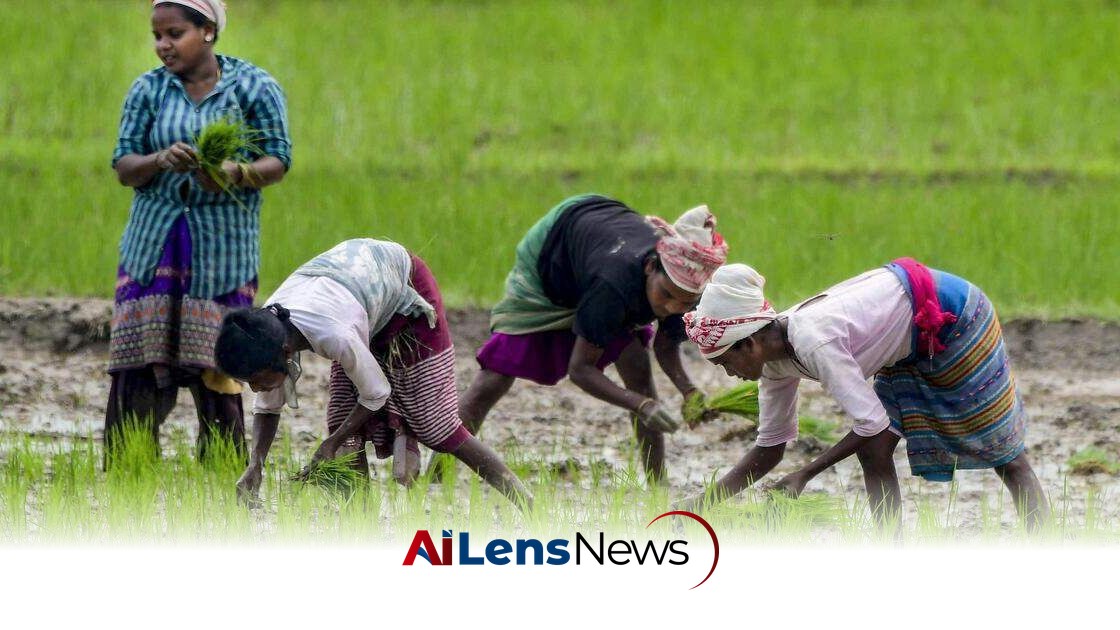


The government is monitoring 262 districts for rainfall deficiency and El Nino impacts. Fifteen additional districts have been identified as facing rainfall deficits.
New Delhi, India Jul 8, 2026 ALN: New Delhi: The government has identified 15 additional districts facing rainfall deficiency as it stepped up monitoring of the ongoing kharif season amid forecasts of persistent El Nino conditions, agriculture minister Shivraj Singh Chouhan said on Tuesday. This development comes at a crucial time for Indian agriculture, which is heavily dependent on the southwest monsoon rains that typically occur from June to September.
The kharif season is vital for the cultivation of various crops, including rice, maize, and pulses, which are essential for food security and the livelihood of millions of farmers across the country. The identification of these districts reflects the government's proactive approach to manage agricultural risks associated with climate variability, particularly the influence of El Nino, which is characterized by warmer ocean temperatures in the central and eastern Pacific. This phenomenon can disrupt normal weather patterns, leading to reduced rainfall in some regions and excessive rainfall in others.
At a review meeting focused on kharif sowing, monsoon progress, drought management, fertilizer availability, and food grain stocks, officials informed the minister that sowing remains slower than usual due to uneven rainfall. The delayed onset and inconsistency of the monsoon this year have raised concerns among farmers and agricultural experts alike. The government has noted that while some regions received adequate rainfall, others have faced significant deficits, leading to a disparity in crop planting and development.
However, there is a glimmer of hope as rains are forecast over Gujarat, Haryana, Punjab, and Rajasthan during the next three days. These anticipated showers are expected to accelerate planting activities in these states, which are crucial agricultural hubs. The timely arrival of rain can significantly boost the prospects for kharif crops, helping to mitigate some of the adverse effects of the earlier deficiencies.
The ministry is now monitoring 262 vulnerable districts and has expanded the list by adding 15 more districts where rainfall deficits continue. This increased scrutiny indicates the government's recognition of the need for targeted interventions in areas most affected by the erratic weather patterns associated with El Nino. By keeping a close watch on these districts, the government aims to implement timely measures to support farmers and ensure food security.
Chouhan stated that contingency plans are being implemented and the situation is being monitored continuously to minimize the impact of El Nino. These contingency plans are critical as they provide a framework for responding to potential crop failures or significant yield reductions due to adverse weather conditions. The Indian Council of Agricultural Research (ICAR) and the Central Research Institute for Dryland Agriculture (CRIDA) have prepared district-level contingency measures to address specific local conditions. This localized approach ensures that the interventions are relevant and effective, taking into account the unique challenges faced by farmers in different regions.
Moreover, Krishi Vigyan Kendras (KVKs), which serve as agricultural extension centers, have been asked to remain ready to implement emergency interventions. These centers play a crucial role in disseminating information and providing support to farmers, particularly in of crisis. By leveraging the expertise of KVKs, the government can enhance its outreach and ensure that farmers receive timely advice on crop management practices, pest control, and resource optimization.
Officials told the meeting that seed availability for the kharif season remains adequate. This is an encouraging sign, as the timely availability of quality seeds is essential for ensuring that farmers can plant their crops without delay. Additionally, water levels in the country's 166 major reservoirs are lower than a year ago, although groundwater levels remain stable in most regions. The situation regarding reservoir levels is particularly concerning, as these water bodies are critical for irrigation, especially in areas that depend on surface water for crop cultivation.
As the government continues to address the challenges posed by rainfall deficiencies, it remains committed to ensuring that farmers are supported during this critical agricultural period. The implications of the current weather patterns are significant not only for farmers but also for the broader economy, as agriculture contributes substantially to India's GDP and employs a large portion of the population. A poor kharif season could lead to increased food prices, affecting consumers and potentially leading to instability.
Furthermore, the situation underscores the importance of climate resilience in agriculture. With climate change leading to more frequent and severe weather events, it is imperative for the agricultural sector to adapt to these changes through sustainable practices, improved irrigation techniques, and the adoption of climate-resilient crop varieties. The government's proactive measures and contingency planning are steps in the right direction, but long-term strategies will be essential to safeguard the future of Indian agriculture.
The El Nino phenomenon, which has been a recurring climate pattern, typically occurs every few years and can have far-reaching effects on global weather systems. In India, its impacts are often felt more acutely during the monsoon season, which is crucial for the kharif crops. The Indian Meteorological Department (IMD) has been monitoring these conditions closely and providing forecasts that help inform government strategies and farmer decisions. The current El Nino is expected to persist, raising concerns about the consistency of rainfall and the overall agricultural output.
In response to these challenges, the government has also been exploring various technological interventions to enhance agricultural productivity and resilience. This includes the promotion of precision farming techniques, which utilize data and technology to optimize crop yields while minimizing resource use. Additionally, the integration of traditional knowledge with modern practices is being encouraged to develop more resilient agricultural systems.
As the kharif season unfolds, the government's monitoring and interventions will be crucial in mitigating the impacts of rainfall deficiencies exacerbated by El Nino. The collaboration between various agricultural research institutions and local extension services will play a pivotal role in ensuring that farmers receive the necessary support to navigate these challenging conditions. The outcomes of this season will have lasting implications for food security, farmer livelihoods, and the overall agricultural landscape in India.
In conclusion, the current situation highlights the interconnectedness of climate variability, agricultural productivity, and stability. The government's proactive measures, combined with the efforts of agricultural scientists and local extension services, aim to create a safety net for farmers during this critical period. The ability to adapt and respond to the challenges posed by climate change will not only determine the success of the kharif season but also shape the future of agriculture in India as it strives to meet the food demands of a growing population.
To learn more about the latest developments in Corporate & Industry Insights, stay updated with our exclusive reports and analyses on AiLensNews.

