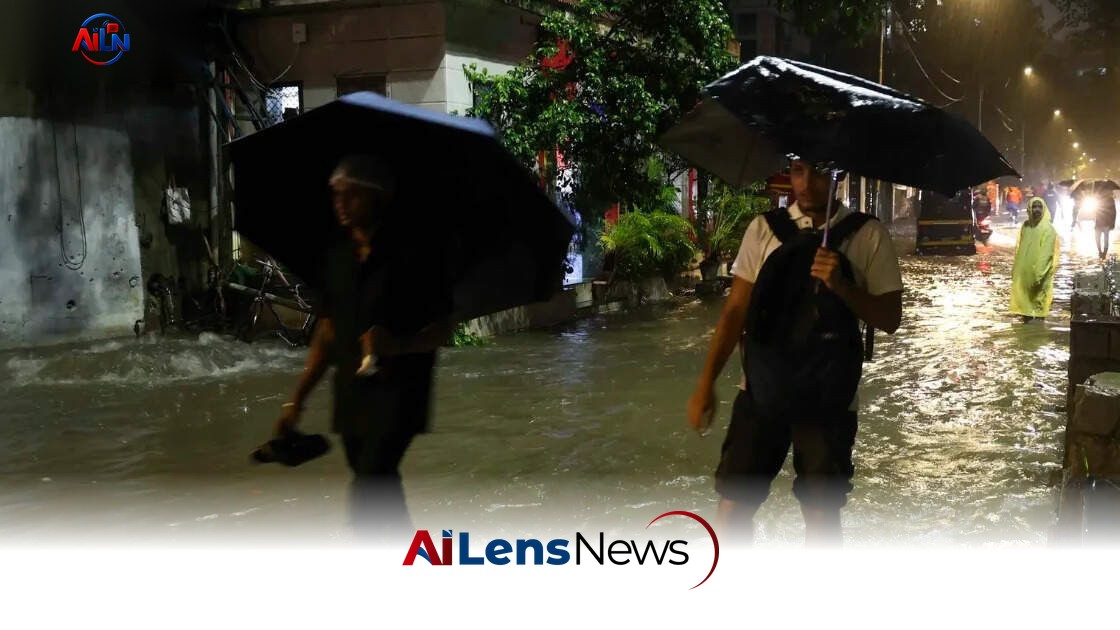


Maharashtra faces severe flooding and landslides due to unprecedented rainfall, resulting in 13 fatalities across Mumbai, Palghar, and Raigad.
New Delhi, India Jul 6, 2026 ALN: Maharashtra is currently grappling with record-breaking rainfall, which has led to the tragic loss of 13 lives in Mumbai, Palghar, and Raigad over the past few days. The India Meteorological Department (IMD) has issued a red alert for Mumbai and surrounding areas, warning residents of continued heavy to extremely heavy downpours. This situation has been exacerbated by the onset of the monsoon season, which typically begins in June and can last until September, but this year has seen particularly intense weather patterns.
The rainfall is part of a broader climatic trend observed in recent years, where extreme weather events have become more frequent and intense due to climate change. This has raised concerns among scientists and policymakers about the need for improved infrastructure and disaster preparedness in urban areas like Mumbai, which is known for its dense population and vulnerability to flooding.
Maharashtra Disaster Management Minister Girish Mahajan reported that the rainfall has been unprecedented, with various regions experiencing severe weather conditions. The minister's statement came before the adjournment of the Upper House, highlighting the urgency of the situation. The IMD's warnings have prompted local authorities to take immediate action, including opening emergency shelters and deploying disaster response teams to the most affected areas.
Heavy rainfall has resulted in flooding and landslides across the state, prompting the IMD to issue warnings. Notably, Lonavala recorded an astonishing 670 mm of rain, making it one of the hardest-hit areas. This level of rainfall in such a short period is concerning, particularly in regions that are not equipped to handle such volumes of water. The resulting floods can lead to significant property damage, displacement of residents, and strain on emergency services.
In Mumbai, six fatalities were reported due to a chawl collapse in the Mankhurd area, while two others lost their lives in incidents involving fallen trees. An 11-year-old boy was also killed when a tree fell on a moving school bus, underscoring the dangers posed by the extreme weather. These incidents highlight the vulnerabilities of older structures in the city, many of which were not built to withstand such intense weather conditions.
IMD scientist Bikram Singh noted that many areas in Mumbai received heavy to very heavy rainfall, with isolated regions experiencing extremely heavy rain. The Pune district, Raigad, and Palghar were also significantly affected, with continued alerts for the next 24 to 48 hours. The IMD's predictions suggest that the situation may not improve in the immediate future, raising concerns about further flooding and landslides.
In a separate incident, a landslide in Pune's Patan village buried a house, resulting in one death and leaving two family members missing. Authorities are conducting search operations to locate the missing individuals. Landslides are a common hazard during the monsoon season, particularly in hilly areas, where heavy rains can destabilize the soil and lead to catastrophic collapses.
According to local police, three family members were trapped when the landslide struck in the early hours of Monday. The National Disaster Response Force (NDRF) is actively involved in the search and rescue efforts, along with local authorities. The NDRF is trained for such emergencies and plays a crucial role in disaster management, often deploying teams to the most affected areas to assist with rescue operations and provide medical aid.
Additionally, an NDRF team successfully rescued 37 passengers stranded in a private bus due to waterlogging near Ghorawadi railway station. This incident reflects the challenges faced by commuters during heavy rainfall, as road conditions can deteriorate rapidly, leading to dangerous situations for those traveling.
As the monsoon session of the Maharashtra legislative council was adjourned due to the heavy rains, Chief Minister Devendra Fadnavis addressed the House, emphasizing the need for preparedness in the face of extreme weather. He assured that the entire disaster management machinery is on alert and actively responding to the situation. This proactive approach is essential in mitigating the impact of such disasters, as timely interventions can save lives and reduce property damage.
Fadnavis highlighted that the government would provide a detailed statement regarding the rain-related incidents, the response measures, and future preventive strategies. He acknowledged that while the average number of fallen trees during the monsoon is around 800, a staggering 350 trees fell on a single day, indicating the severity of the weather conditions. This spike in fallen trees not only poses immediate risks to public safety but also indicates the potential for long-term environmental impacts, including changes to local ecosystems.
The chief minister reassured the public that the administration is closely monitoring the situation across Maharashtra and will address any shortcomings in their response efforts. The government has been criticized in the past for its handling of disaster situations, and this commitment to transparency and accountability is crucial for maintaining public trust in the authorities during of crisis.
As the state continues to face the impacts of this extreme weather, residents are urged to stay vigilant and adhere to safety advisories issued by local authorities. Emergency services are on standby, and community engagement is vital in ensuring that individuals are informed about evacuation routes and emergency shelters. The importance of community preparedness cannot be overstated, as local knowledge and resources can significantly enhance the effectiveness of disaster response efforts.
This situation also raises broader questions about urban planning and infrastructure resilience in the face of climate change. As cities like Mumbai continue to grow, the need for sustainable development practices becomes increasingly critical. Investments in drainage systems, flood defenses, and green spaces can help mitigate the impacts of extreme weather events in the future. Moreover, public awareness campaigns about the risks associated with heavy rainfall and landslides can empower communities to take proactive measures to protect themselves and their property.
In conclusion, the record-breaking rains in Maharashtra serve as a stark reminder of the challenges posed by climate change and the need for comprehensive disaster preparedness strategies. As the state navigates through this crisis, the focus must remain on protecting lives, providing assistance to those affected, and implementing long-term solutions to build resilience against future extreme weather events.
To learn more about the latest developments in Corporate & Industry Insights, stay updated with our exclusive reports and analyses on AiLensNews.

